Women, Peace and Security Helpdesk
Thematic Areas
Exploring issues around the development and implementation of NAP on WPS, WPS resolutions and related policy frameworks in the UK and elsewhere.
Analysis and tools that explore how gendered norms, practices and systems, including around masculinities, fuel and interact with violence and conflict.
Exploring the importance of women’s meaningful participation in all decision-making at local, national, regional and international levels on conflict prevention, management, and resolution.
Exploring gendered implications of conflict prevention, including reducing military expenditures, arms control, promoting non-violent forms of conflict resolution, and addressing root causes of gendered violence and conflict.
Exploring how humanitarian, relief and recovery efforts, systems and policies respond to the specific needs of women, girls and marginalised groups.
Exploring the protection of women, girls and marginalised groups from gender-based violence, including of women human rights defenders, activists and peacebuilders.
Analysis on cyberthreats to international peace and security and their gendered implications & exploring modern conflict and the gendered violence that occurs in cyberspace.
Exploring the gendered dynamics of environmental degradation and climate change-related conflict and violence.
Highlights

The UK, US and OSCE have launched their annual reports on WPS and gender-related progress during 2021
These annual reports constitute an important measure in response to the ask from civil society to ensure transparency and accountability in integrating WPS and gender in policies and programmes. They also provide an opportunity for learning and improving.
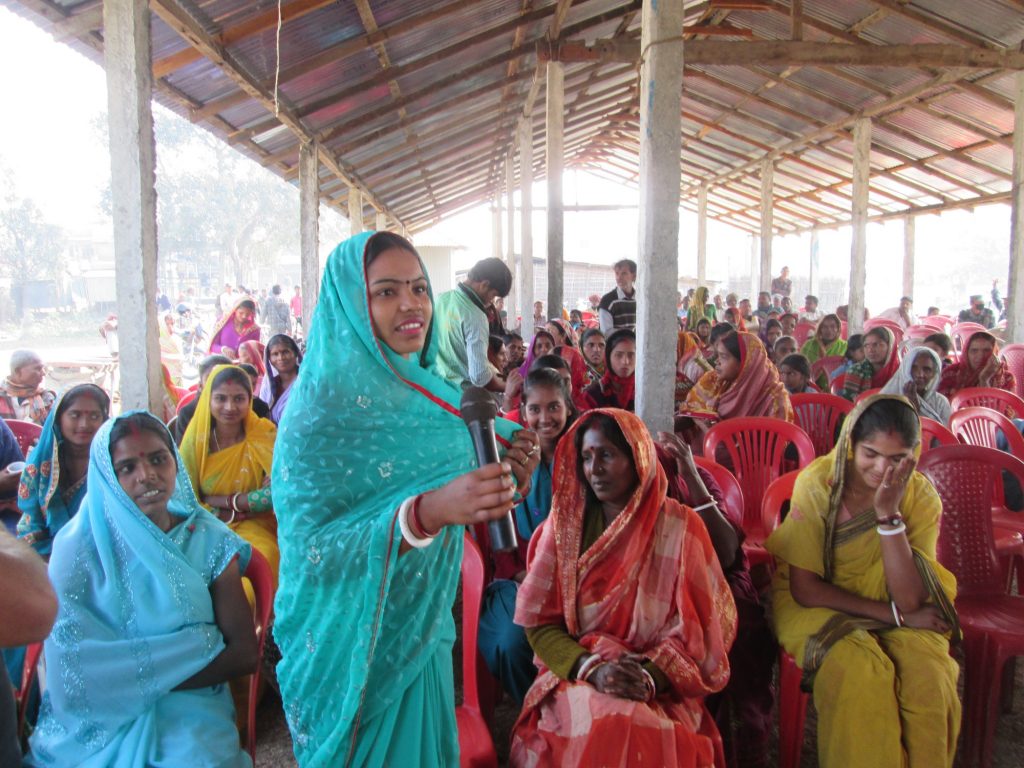
New UK NAP 2023-2028 has now been launched
The UK has launched its new Women, Peace and Security (WPS) National Action Plan (NAP) for 2023-2028. As part of this effort, the team have commissioned two tasks to the WPS Helpdesk. One of them is a consultation with WROs in three priority countries (Myanmar, Somalia and Afghanistan) and the other is an analysis of what priorities related to domestic affairs should feature in the new NAP.